












For over a century, our journey has paralleled that of our nation, defined by resilience, ambition, and a steadfast commitment to progress. Born in the spirit of self-reliance, we have always stood for progress rooted in responsibility, giving back more to society than we take. Our story is powered by the hopes and aspirations of our people.
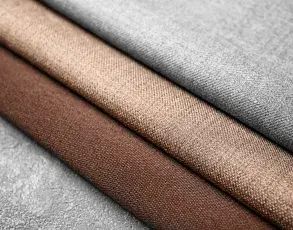
We create textiles that inspire lifestyles. We build homes that nurture communities. We connect offline and online, tradition and technology, heritage and innovation. We don’t just imagine possibilities; we make them real.
We are Arvind. And this is our story.
Where Purpose Meets Possibility.
1897
The Beginning
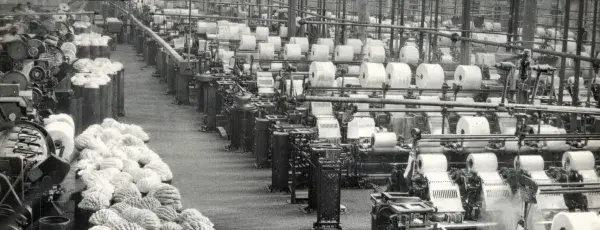
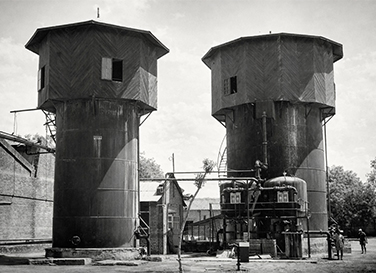
At a time when India had very little industrial activity, visionary entrepreneur Lalbhai Dalpatbhai established the Saraspur Manufacturing Company in Ahmedabad. This marked the start of Arvind’s journey, setting the tone for innovation-led growth in the Indian textile sector. The company quickly gained recognition for quality fabrics and laid the foundation of a legacy that would last generations.
1931
The Spirit of Swadeshi
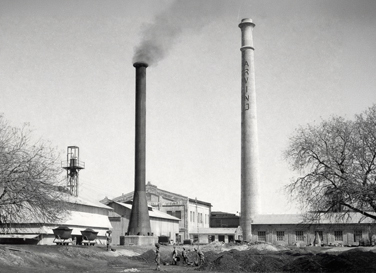
Responding to Mahatma Gandhi’s call for Swadeshi, the Lalbhai family founded Arvind Mills. The idea was not only to serve domestic needs but also to prove that Indian mills could compete with the finest in the world. This was a bold step that aligned business ambition with the nation’s self-reliance movement.
1935
Swadesh Goes Global
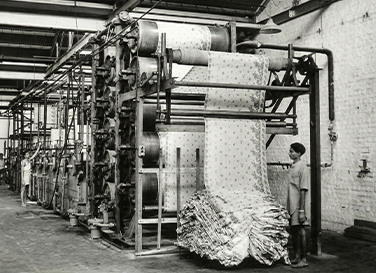
Arvind’s ‘butta voiles,’ a fine fabric, began finding markets in Switzerland and the United Kingdom. This was the first time a Swadeshi fabric gained such strong acceptance internationally. It demonstrated that Indian textiles could win global admiration, bridging national pride with international opportunity.
1952
Textiles to Dye For
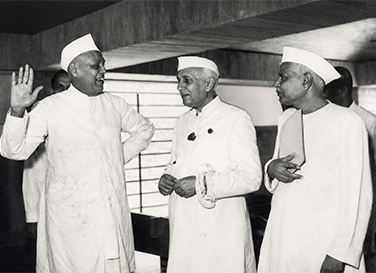
Kasturbhai Lalbhai set up India’s first dye and chemical plant under Atul Products Ltd. Until then, the country was heavily dependent on imported dyes and chemicals. This milestone not only reduced that dependence but also enabled India to strengthen its chemical and textile industries side by side.
1977
Innovating the Future
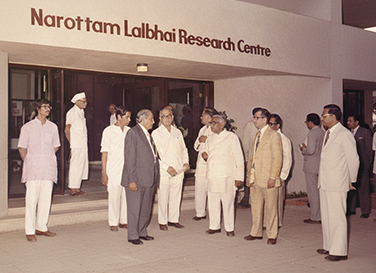
The Narottam Lalbhai Research Centre was established with a vision to enhance Arvind’s technical capabilities. It became a hub of research and innovation, leading to advances in spinning, weaving, and finishing. This institution helped Arvind build a strong foundation for decades of product innovation.
1980
Denim Takes Flight
Arvind launched ‘Flying Machine,’ India’s first denim apparel brand. It became an instant hit among the youth, signaling a cultural and fashion shift in India. This milestone marked Arvind’s entry into branded apparel and brought denim culture to Indian streets.

1985
Renovision Strategy Introduced
Arvind rolled out the ‘Renovision’ strategy, shifting focus from domestic markets to international opportunities. This bold move put Arvind and India on the global denim map, making the company a serious global contender. It was the beginning of Arvind’s transformation from a local player to a global textile leader.
1987
India’s First Denim Manufacturers
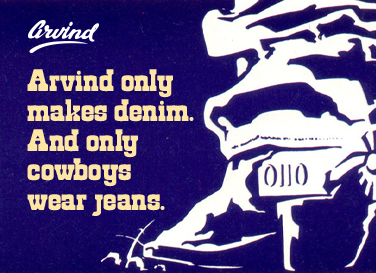
Arvind commissioned India’s very first denim manufacturing plant in Ahmedabad. Within a few years, the company emerged as one of the world’s leading denim producers. This milestone created a new growth engine for Arvind and positioned India as a significant player in global denim production.
1993
Global Brands Come Knocking
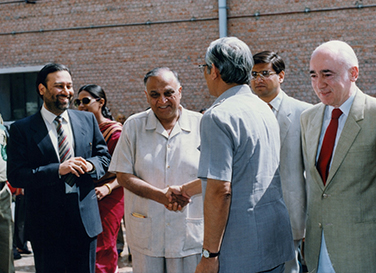
Partnerships with V.F. Corporation and Cluett Peabody & Co. brought global brands like Lee Jeans and Arrow Shirts to India. This move gave Indian consumers access to world-class fashion for the first time. It also reinforced Arvind’s reputation as a partner of choice for international giants.
1995
Healthy Businesses, Healthy Societies
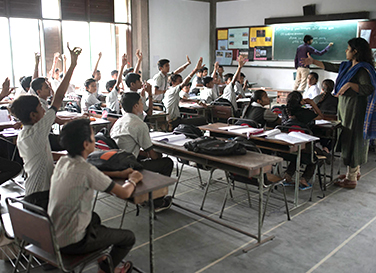
Guided by our philosophy of being good neighbours first, Arvind established SHARDA Trust in 1995 to formally support the urban poor, especially communities connected to our factory ecosystems. Rooted in the belief that healthy businesses flourish in healthy communities, the Trust became a structured platform to uplift lives through focused social initiatives. Over time, it has driven multiple programs aimed at improving livelihoods, access, and overall community well-being.
1998
The World-Class Santej Facility
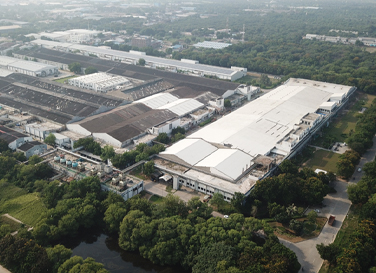
Arvind commissioned its state-of-the-art shirting facility in Santej with a capacity of 34 million meters. The plant set new benchmarks for sustainability and operational excellence in the textile industry. It became a showcase of how industrial growth and environmental consciousness can go hand in hand.
2008
The New Arvind
Reflecting its diversified business model, the company changed its name from Arvind Mills Ltd. to Arvind Ltd. This rebranding represented Arvind’s transformation into a textile-to-retail conglomerate. It was a declaration that Arvind was no longer just about mills, but about innovation, brands, and solutions.
2008
Textiles to Technical Textiles
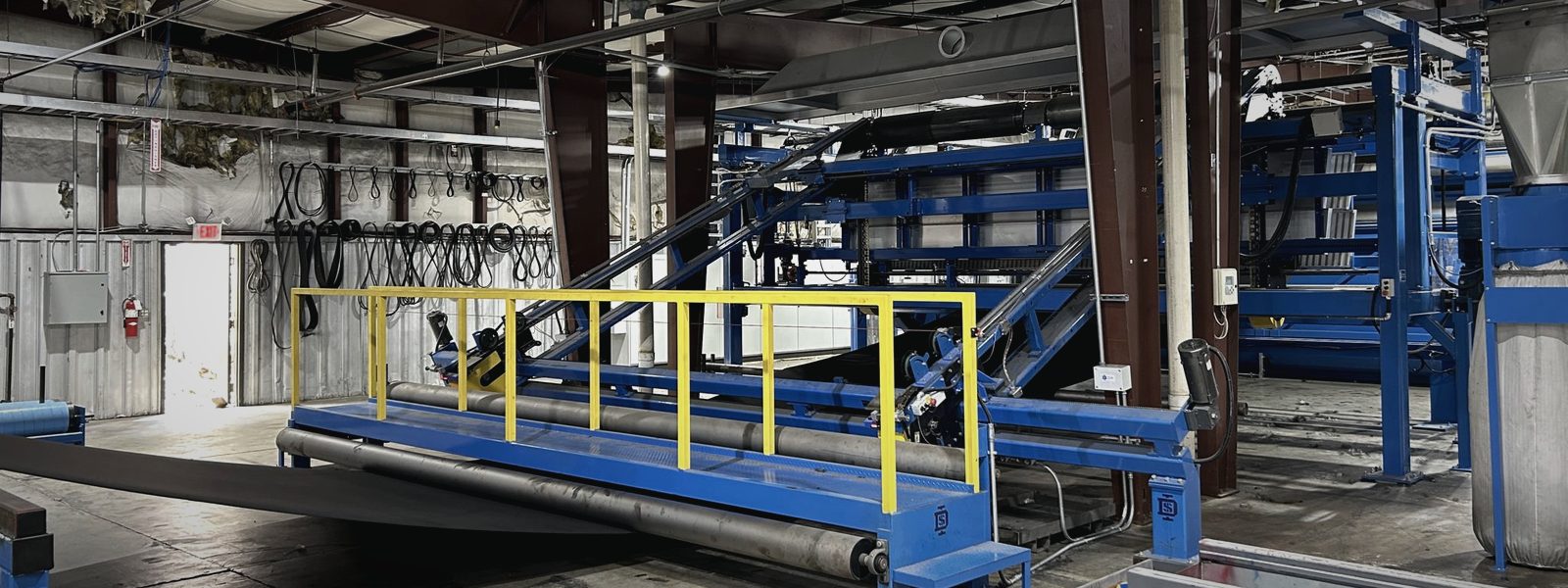
Arvind entered the technical textiles space by launching its Advanced Materials division. The focus was on human protection solutions such as fire-retardant fabrics. This marked a shift into high-tech applications that would shape Arvind’s future diversification strategy.

2010
Farm to Retail
The Arvind Store was launched, bringing fabrics, global brands, and bespoke tailoring under one roof. This retail initiative bridged the gap between farm, factory, and fashion-conscious consumers. It gave Arvind direct engagement with customers while showcasing its integrated textile-to-retail capabilities.

2011
Expanding Global Fashion
Arvind introduced leading global fashion labels like Calvin Klein and Tommy Hilfiger to India. These partnerships expanded the company’s brand portfolio and elevated the fashion retail landscape in the country. It reinforced Arvind’s status as the gateway for global brands into India.
2011
Better Cotton in India
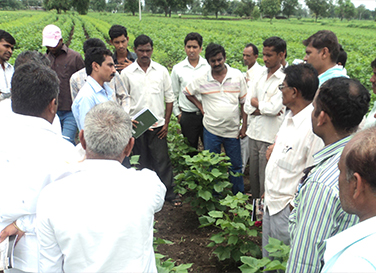
Through its farm project in Akola, Arvind produced India’s first Better Cotton Initiative (BCI) bale. This move promoted sustainable cotton farming practices at scale. It also underscored Arvind’s role in making India a leader in responsible raw material sourcing.
2014
A Global Patent
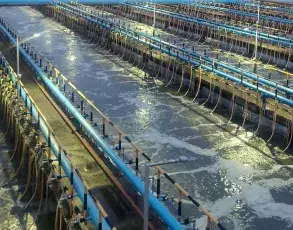
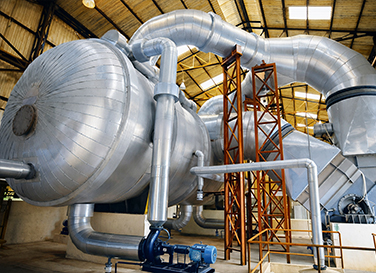
Arvind Envisol, the company’s environmental solutions subsidiary, received a global patent for its Polymeric Film Evaporation Technology (PFET). The breakthrough significantly reduced energy costs in wastewater treatment. It showcased Arvind’s ability to innovate beyond textiles, solving sustainability challenges for multiple industries.
2015
Stretching Denim Further
Arvind partnered with Invista, owner of the Lycra fiber brand, to manufacture stretch denim in India. This innovation enhanced comfort and performance in denim, making it more versatile. It cemented Arvind’s leadership as a denim innovator catering to evolving consumer needs.

2015
Khadi Gets Reimagined
Arvind introduced Khadi Denim, blending the heritage of handloom Khadi with modern denim technology. This sustainable fabric connected tradition with innovation, creating global interest. It became an iconic symbol of India’s craft meeting contemporary fashion.

2015
Realty arm becomes Independent
Arvind SmartSpaces (realty business) demerged from Arvind Ltd; listed separately.
2015
One Foundation, One Purpose
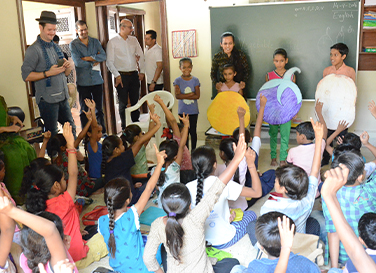
In 2015, following the formal introduction of CSR in India, Arvind consolidated over three decades of community engagement under a unified platform, the Arvind Foundation. While our commitment to social impact long predated regulation, this step institutionalised and aligned all Trusts and initiatives under a single strategic CSR arm.
2016
The E-Shopping Leap
Arvind launched Nnnow.com, its e-commerce platform catering to fashion-forward consumers. This digital move reflected the changing dynamics of retail in India. It provided a new channel for Arvind to connect directly with tech-savvy shoppers.

2017
Made in Arvind
Building on its legacy, Arvind introduced its own Ready-to-Wear brand. This move expanded the company’s presence in lifestyle retail while showcasing its design and manufacturing strength. It was a natural evolution from fabrics to complete fashion solutions.

2019
Strategic Restructuring
Arvind undertook a major corporate restructuring, demerging and publicly listing its branded apparel (Arvind Fashions) and engineering (Anup Engineering) businesses. This strategic move sharpened focus in core businesses while unlocking shareholder value.
2019
Sustainable Water Solutions Unveiled
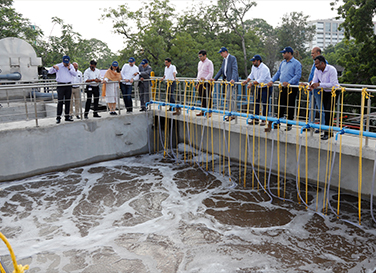
In partnership with Gap Inc., Arvind launched a Naroda facility that saves 2.5 billion liters of freshwater annually. This initiative set a benchmark in sustainable apparel manufacturing. It positioned Arvind as a global leader in water stewardship.
2019
Into Sports Innovation
Arvind forayed into the manufacturing of carbon sports equipment. This made it the first major Indian company to enter this high-performance segment. It showcased Arvind’s ability to innovate across industries.

2022
Circularity in Textiles
Arvind partnered with PurFi Global to combat the challenge of textile waste. The initiative focused on large-scale textile circularity, turning waste into valuable resources. This milestone reinforced Arvind’s commitment to building a circular economy.

2024
Pioneering Water Sustainability
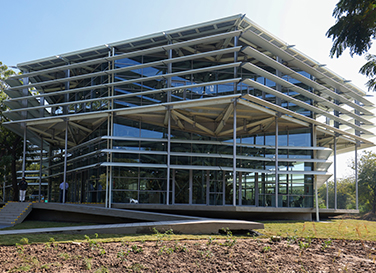
In collaboration with Gap Inc., Arvind launched Global Water Innovation Centre for Action (GWICA), the world’s first open-source innovation center for water sustainability in apparel. Located at Santej, Gujarat, it became a global hub for knowledge-sharing and sustainable technology. It demonstrated Arvind’s commitment to industry-wide transformation.
2025
A Breakthrough in Waterless Dyeing
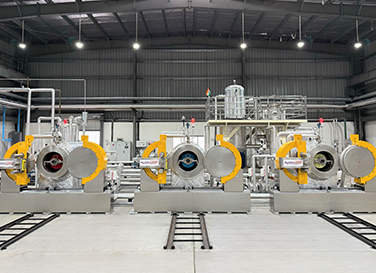
Arvind, in collaboration with H&M Group and Deven Supercriticals, inaugurated India’s first commercial-scale supercritical CO₂ dyeing machine in Ahmedabad. This pioneering technology reduces water, chemical, and energy usage in fabric dyeing. The initiative reaffirmed Arvind’s role as a sustainability leader, bringing innovation from lab to large-scale industrial application.
2026
Strengthening Global Advanced Materials Presence
Arvind Advanced Materials expanded its international footprint with the acquisition of a controlling stake in Dalco-GFT, a US-based technical textiles company. The acquisition strengthens Arvind’s presence in the North American market and advances its ambition to become a leading global player in advanced materials.